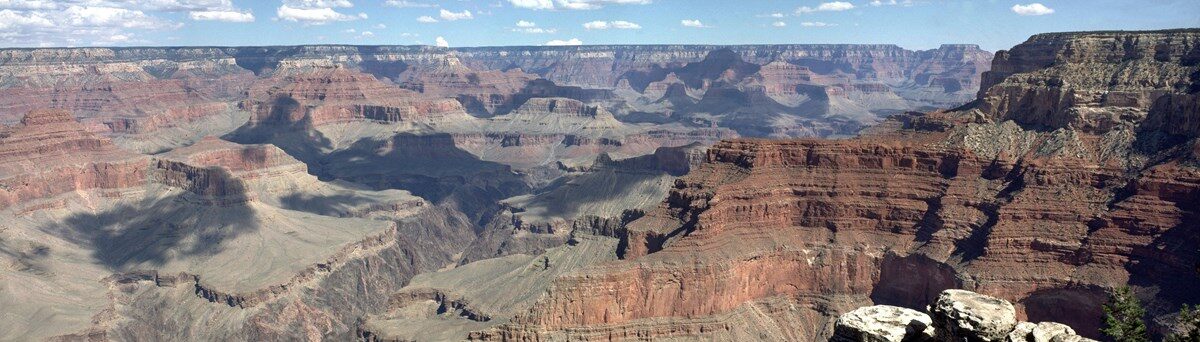
🏜️ Zion National Park: Where the Earth Opens to the Sky
Zion National Park, located in the stunning canyon country of southwestern Utah, is a sacred meeting point of the Colorado Plateau, Great Basin, and Mojave Desert ecosystems. The park is defined by its massive, sheer Navajo sandstone cliffs, which soar thousands of feet above the valley floor, revealing layers of geologic history in vibrant shades of cream, pink, and red. The park’s centerpiece is the 15-mile-long Zion Canyon, a majestic gorge carved by the persistence of the Virgin River. Originally protected as Mukuntuweap National Monument in 1909, the area was renamed Zion—an ancient Hebrew word meaning “sanctuary” or “refuge”—by Mormon pioneers, a name that perfectly captures the park’s profound and awe-inspiring atmosphere.
The geology of Zion is a dramatic record of millions of years of transformation, from ancient sea beds and vast windswept deserts to volcanic activity and immense uplift. The famous rock formations, such as the Great White Throne, the Towers of the Virgin, and Angels Landing, are remnants of this process, sculpted by the river’s erosive power. This unique convergence of life zones supports remarkable biodiversity, including riparian habitats—lush, hanging gardens clinging to the cliff faces—that stand in stark contrast to the surrounding arid desert. Wildlife is abundant, with desert bighorn sheep often spotted on high ledges, mule deer grazing in the canyon floor, and the spectacular flight of the California condor overhead.
Zion is internationally famous for its adrenaline-pumping and immersive hiking experiences. The two most iconic trails are the legendary Angels Landing and the unique water hike, The Narrows. Angels Landing is a thrilling, exposed climb along a narrow spine, assisted by fixed chains, and now requires a permit via lottery due to its popularity. The Narrows involves hiking up the Virgin River itself, wading through water that can be ankle- to waist-deep as the towering walls of the slot canyon narrow to only 20 feet wide. For more moderate adventure, the Emerald Pools trail offers waterfalls and lush vegetation, while the Riverside Walk provides a paved, easy path to the mouth of The Narrows.
Due to its immense popularity (receiving over 4 million visitors annually), access to the main Zion Canyon Scenic Drive is primarily managed by a mandatory free shuttle bus system running from early spring to late fall. Private vehicles are generally restricted during this time, ensuring a less congested and more peaceful experience for all visitors. The park is open year-round, offering different experiences with each season, from the brilliant spring wildflowers to the snow-dusted red cliffs of winter. Visitors should always plan ahead, particularly for flash flood risks during monsoon season and securing permits for the most popular hikes and backcountry camping.
The Kolob Canyons section of Zion National Park is a stunning and much quieter alternative to the main Zion Canyon. It is known for its soaring, crimson-colored sandstone cliffs, deep pocket canyons, and serene atmosphere, making it a perfect escape from the crowds.
Here is a summary of the key information, features, and activities in the Kolob Canyons section:
Overview and Access
Location: Kolob Canyons is located in the northwestern corner of Zion National Park, operating as a completely separate district.
Access: It is not connected by road to the main Zion Canyon. You must access it directly from Interstate 15 at Exit 40, near the town of Kanarraville, Utah. It is approximately a 40-mile drive north of the main Zion Canyon Visitor Center (near Springdale).
Driving: Unlike the main canyon, there is no shuttle bus system in Kolob Canyons. You can drive your personal vehicle along the scenic road, allowing you to explore at your own pace.
Fees: An entrance fee is required for Zion National Park, which is valid for seven days and includes access to both Kolob Canyons and the main canyon area. You stop at the Kolob Canyons Visitor Center at the entrance to pay or show your pass.
Main Attractions and Activities
1. Kolob Canyons Road Scenic Byway
The primary way to experience this section is by driving the 5-mile-long Kolob Canyons Road. This scenic byway winds along a ridge and offers spectacular, panoramic views of the narrow, parallel box canyons and 2,000-foot cliff walls. The road ends at the Kolob Canyons Viewpoint.
2. Popular Hiking Trails
The area offers several excellent hiking options, ranging from easy overlooks to strenuous backcountry treks:
Timber Creek Overlook Trail:
Distance: Approximately 1 mile round-trip.
Difficulty: Easy.
Description: This short trail begins at the end of the Scenic Drive (Kolob Canyons Viewpoint) and follows a ridge to a small peak, offering breathtaking, sweeping vistas of the “Kolob Fingers” and the surrounding plateaus. It is a fantastic spot for sunrise or sunset.
Middle Fork of Taylor Creek Trail:
Distance: Approximately 5 miles round-trip.
Difficulty: Moderate.
Description: This popular hike follows the Middle Fork of Taylor Creek, passing two old homestead cabins on its way to the magnificent Double Arch Alcove. Note that your feet may get wet on this trail, especially during warmer months.
La Verkin Creek Trail to Kolob Arch:
Distance: Approximately 14.4 miles round-trip.
Difficulty: Strenuous (best as an all-day hike or overnight trip).
Description: This challenging trail takes you deep into the Zion Wilderness to view Kolob Arch, one of the largest freestanding natural arches in the world.
Camping and Permits
No Developed Campgrounds: There are no traditional, developed campgrounds available in the Kolob Canyons section.
Backcountry Camping: The only camping available is in designated backcountry sites along trails like La Verkin Creek and Hop Valley.
Wilderness Permits: Permits are required for all overnight backcountry camping and canyoneering. These can be reserved online via
recreation.govor in-person at a Zion Wilderness Desk (though they are not always available at the Kolob Canyons Visitor Center).
When to Visit
Kolob Canyons is open year-round, but because of its higher elevation, the scenic drive may occasionally close during the winter months due to snow and ice. Spring and Fall are generally the best times to visit, with October being particularly pleasant for its mild weather and vibrant fall colors.